Who Owns My Website? A Small Business Guide to Digital Ownership

Written By: TaKenya
Published: October 12, 2026

The links in this post may be affiliate links. That means that if you click them and make a purchase, this site makes a commission. It will have no impact on the price you pay or the experience of your purchase.
Trust and ownership are not the same thing. You can trust the people who help you with your tech and still make sure your name is on everything that matters.
If “who owns my website?” is a question you cannot answer with confidence, let me walk you through what digital ownership means, what you should own, and how to fix things if your setup is not where it should be.
What Digital Ownership Actually Means
Digital ownership means the accounts behind your online business are in your name, tied to an email you control, and available to you without asking anyone for permission. That includes the account itself, the billing, and the recovery options.
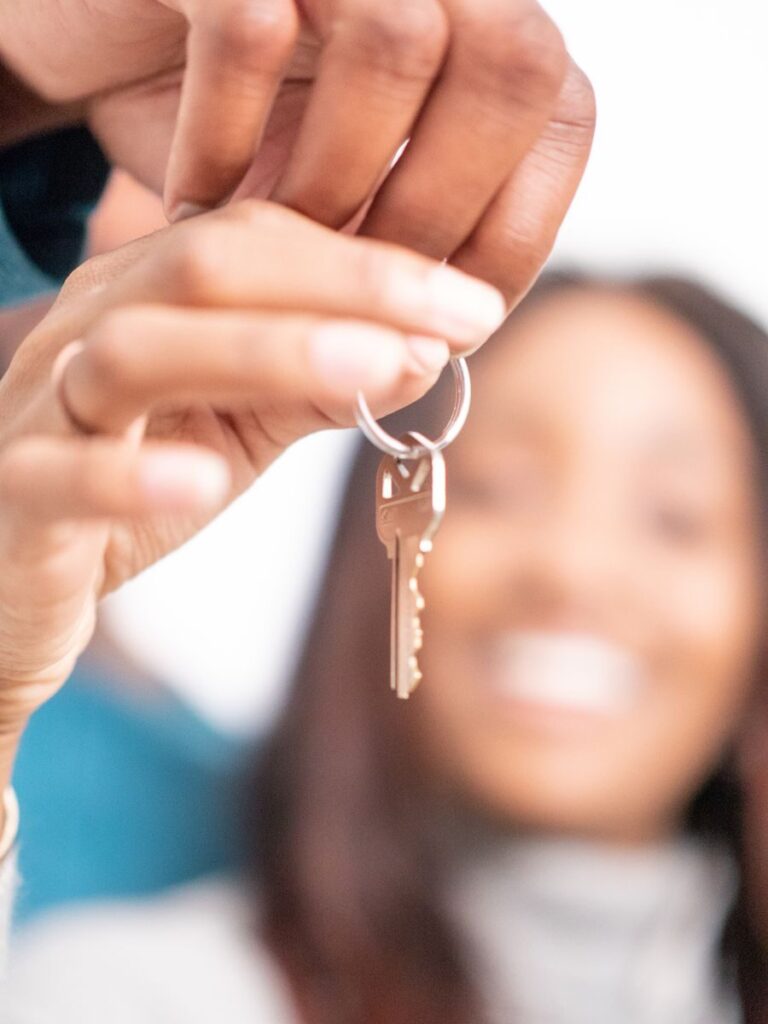
Think about it like this. The people who help you, whether that is a web designer, an employee, or a VA, can have a key to the building. Your name stays on the deed.
If you have to ask someone else to get into your own accounts, you do not fully own them.
Owner vs. User: The Difference That Matters
Most platforms separate the person who owns an account from the people who have access to it.
An owner can add and remove people, change billing, and transfer the account. A user, even one with admin access, works inside the account but does not control it.
That separation is exactly what you want. It lets people do their work without handing them the deed.
Who Owns My Website on WordPress vs. Wix or Squarespace?
On self-hosted WordPress, you own your site files and your database. If you want to change hosts or providers, your whole site can be packed up and moved somewhere else.
Platforms like Wix and Squarespace work differently. You own your content and your account, but your site lives on their system and cannot be moved somewhere else as it is. If you leave, you rebuild.
That does not make those platforms the wrong choice for everyone. It just means you should know which kind of ownership you have before you need it.
One more thing that trips people up: WordPress.com and self-hosted WordPress are not the same. WordPress.com is a hosted service, and depending on your plan, you may not have the same level of control.
The Digital Assets Every Business Owner Should Own
Your Domain
When someone asks me “who owns my website?”, the domain is the first thing I check.
Your domain is your address on the internet, and it is often tied to your business email too. Whoever owns it controls whether your website and email keep working.
Your domain should be registered in your name, with your business email on the account and your payment method on file. Renewal notices should come to you.
Your Hosting Account
Hosting is where your website lives. The account should be in your name, even if a designer or support provider manages it day to day.
If you host with a provider that bundles hosting and maintenance, that can be a great setup. Just make sure you still own your domain, can get to your backups, and can move your site if you ever decide to.
If you are shopping around, here is my breakdown of the bad, the better, and the best in WordPress hosting.
Your Website and Its Backups
Owning your website includes being able to get a copy of it. If your site gets hacked, an update breaks something, or a relationship with a provider ends, your backups are what bring you back.
Not every platform makes this possible. Some offer limited backups, and some do not give you a backup you can download at all. That is a security concern, because if something goes wrong, you are depending entirely on their system to fix it.
On WordPress, you should have access to your backups outside of your hosting account. They do not have to be stored somewhere you own, but you should be able to get to them without relying on one person or one login.
Keeping more than a few days of backups takes more storage than most business owners have available. That is one of the reasons people choose our WordPress Care Plan, so their backups are kept and accessible without using up their own storage.
A complete answer to “who owns my website?” includes being able to get a copy of it whenever you need one.
If the only way to get a copy of your site is to ask someone, that is a gap in your ownership.
Everything Else
Your digital footprint goes well beyond your website. These should also be in your name:
- Business email
- Email marketing platform and your subscriber list
- Google Business Profile
- Google Analytics and Search Console
- Social media accounts
- Payment processors and booking tools
- Logo source files, fonts, and photo licenses
- Premium plugin and theme licenses
That is a lot to keep track of, which is exactly why I am building the Digital Deed Audit. More on that below.
How Access Should Work for Anyone Who Helps You
This is not just about web designers. Employees, VAs, marketing agencies, and the family member who “knows computers” all fall into the same category: users, not owners.
Adding someone as a user never changes the answer to “who owns my website?” That answer should always be you.
Give People Their Own Login
Add helpers as users with their own login instead of sharing yours. On WordPress, that means creating a separate user account for them. On platforms like Google Business Profile, it means adding them as a manager while you stay the owner.
Separate logins let you see who did what. They also let you remove one person without changing everything.
Tie Every Account to an Email You Control
Every account should use your business email, not a personal email, a former employee’s address, or your designer’s email. Whoever controls the email can usually reset the password, which means they control the account.
Keep Logins in a Password Manager
A password manager keeps your logins in one secure place and lets you share access without handing over the actual password. I use and recommend LastPass, and you can read my full LastPass review to see how it works.
Secure sharing and emergency access are especially helpful here. You can give someone access to only what they need, and you can make sure a trusted person can get in if something happens to you.
Remove Access When the Work Is Done
When a project ends or someone leaves, remove their access. This is the step that gets skipped most often, and it matters more than people think.
Signs It Is Time to Ask “Who Owns My Website?”
Ask yourself whether any of these sound familiar.
You Have Never Logged In to Your Domain Registrar
If you do not know where your domain is registered, or you have never logged in, someone else may be the account owner.
Renewal Notices Go to Someone Else
If your domain or hosting is billed to someone else’s card or the renewal emails go to someone else’s inbox, that person holds the control.
You Would Have to Ask for Your Own Logins
If getting into your own website depends on someone answering a text, that is a warning sign.
People Still Have Access They No Longer Need
This one is about security as much as ownership. Maybe you gave a plugin developer admin access to troubleshoot an issue and never removed them, or a former VA can still log in to your social accounts.
Every account that should not still be there is a door you left unlocked. Even when the person is trustworthy, their account can be compromised, and that puts your business at risk.
You Are Not Sure What Platform Your Site Is Built On
Not knowing is often a sign that someone else made the decisions and holds the details.
How to Take Back Ownership
If you recognized your business in that list, do not panic. Most of this is fixable, and it usually starts with a conversation.
Take Inventory
List every account your business depends on, along with who owns it and who has access. A simple spreadsheet works, and the Digital Deed Audit will walk you through it once it is ready.
Log In Yourself
Try to get into each account with your own credentials. Anything you cannot get into goes to the top of your list.
Transfer or Update the Owner
Ask whoever holds the account to transfer ownership to you or change the account email to yours. Most platforms have a process for this, including transferring a domain from one registrar account to another.
Have a Calm Conversation
Most people who hold accounts for someone else did it out of convenience, not bad intent. Opening with “I am getting my business records organized” goes a lot further than an accusation.
Clean Up Access
Once you are the owner, remove anyone who no longer needs access and give current helpers their own logins.
If someone refuses to hand over accounts that belong to your business, that is the point to talk with an attorney. I am not a lawyer, and this guide is not legal advice.
What to Look for in a Web Designer or Service Provider
A good provider wants you to own your stuff and will never make “who owns my website?” a hard question to answer.
You Own Your Domain
Your domain should be registered in your name, even if they help you set it up.
You Can Get to Your Backups
You should have access to your backups without needing anyone’s permission.
You Can Leave Whenever You Want
If you decide to move on, you should be able to take your site with you. No hostage situations.
The Contract Says Who Owns the Work
Your agreement should spell out who owns the website, files, and content at the end of the project. If it does not say, ask before you sign.
These are the standards I hold for Studio117 clients, but you know your business best. Do not take my word, or any single expert’s word, as the final say. Make sure any setup you choose is in your and your business’s best interest.
Coming Soon: The Digital Deed Audit
I am putting the finishing touches on the Digital Deed Audit, a free Google Sheet that helps you list every digital asset, who owns it, who has access, and where the login is stored. It is the same structure I use with my own clients.
Join the list below and I will send it to you as soon as it is ready.
And if you already know you want help sorting things out, book a strategy session and we can work through it together.